Smart Home Tech for Beach Houses: Monitoring Your Property from the Mainland
Your beach house sits empty for weeks or months while you’re on the mainland. A burst pipe could flood for days undetected. Break-ins might go unnoticed until your next visit. Climate control failures could lead to mold growth or frozen pipes. Water damage accounts for 22.98% of all insurance losses, with average claims totaling $12,514, according to insurance industry data. Smart home beach house monitoring technology prevents these disasters before they happen.
At Royal Coastal Builders, our 50+ years on Galveston Island have taught us that modern technology transforms beach house ownership from constant worry into peace of mind. This guide covers essential smart home systems that let you monitor and control your coastal property from anywhere.
Why Beach Houses Need Smart Monitoring
Beach houses face unique risks that make remote monitoring essential rather than optional. Understanding these challenges explains why technology investment pays for itself quickly.
Vacation Home Vulnerabilities:
Extended absences mean small problems become catastrophes. Within the first 30 days of installing smart water monitors, 60% of homeowners discover leaks they didn’t know existed, according to smart water monitoring companies. Those hidden leaks cause thousands in damage when left unchecked.
Salt air accelerates corrosion and mechanical failures. HVAC systems, water heaters, and appliances fail more frequently in coastal environments. Remote monitoring catches these failures immediately instead of weeks later.
Storm damage requires quick response. Hurricane season brings threats every year. Smart systems alert you to problems during and after storms, allowing immediate action to prevent secondary damage.
Water Leak Detection and Prevention
Water damage represents the single biggest threat to unoccupied beach houses. Smart leak detection systems prevent catastrophic losses.
Whole-Home Water Monitoring:
Advanced systems install at your main water line and monitor flow continuously. They learn your home’s normal usage patterns and detect anomalies immediately. Slow drips from failed fixtures, burst pipes, or running toilets trigger instant alerts.
Smart leak detectors decrease water damage claim events by 96% when properly installed. The technology automatically shuts off your main water supply when abnormal flow is detected, stopping floods before they cause major damage.
Systems provide detailed usage data showing exactly where and when water is consumed. This helps identify inefficient fixtures and wasteful practices even when you’re present.
Point-of-Use Sensors:
Individual sensors placed near water heaters, washing machines, dishwashers, and under sinks detect leaks at their source. Battery-powered wireless sensors require no complex installation.
When water touches sensor probes, alerts go to your smartphone instantly via WiFi or cellular connection. Some systems include audible alarms for neighbors or property managers to hear.
Budget $300-$800 for whole-home monitoring systems or $20-$50 per individual sensor. The investment prevents losses many times their cost.
Our plumbing services can install and configure leak detection systems integrated with automatic shutoff valves.
Climate Control and HVAC Monitoring
Maintaining proper temperature and humidity prevents mold growth, frozen pipes, and equipment damage during absences.
Smart Thermostats:
Modern thermostats connect to WiFi allowing remote temperature adjustments from anywhere. Set different temperatures for occupied and vacant periods, reducing energy costs while maintaining safe conditions.
Smart thermostats reduce heating and cooling costs by 10-15% annually through intelligent scheduling and learning algorithms. For beach houses, the savings add up quickly across months of vacancy.
Temperature alerts notify you immediately when HVAC systems fail. If your home drops below 50 degrees in winter or exceeds 85 degrees in summer, you’ll know within minutes and can arrange repairs.
Humidity monitoring is equally important in coastal environments. Humidity above 60% promotes mold growth. Smart systems alert you to dangerous moisture levels before mold develops.
Our HVAC installation services include smart thermostat integration designed for vacation home monitoring.
Security and Access Control
Protecting your beach house from break-ins requires multiple layers of smart security technology.
Video Doorbells and Cameras:
Smart doorbells with integrated cameras show exactly who approaches your property. Two-way audio lets you communicate with visitors, delivery people, or suspicious individuals remotely.
Motion-activated cameras record activity around your property. 45% of U.S. households with internet access have at least one smart home device, with security cameras among the most popular according to smart home adoption studies.
Cloud storage preserves footage even if cameras are damaged or stolen. Review activity anytime from your smartphone. Some systems include facial recognition identifying known visitors versus strangers.
Smart Locks:
Grant temporary access to property managers, cleaners, or repair contractors without physical keys. Create time-limited access codes that expire automatically after use.
Lock or unlock doors remotely if you forget before leaving. Receive alerts when doors are opened, confirming who accessed your property and when.
Battery-powered smart locks work during power outages, ensuring continuous security. Budget $150-$300 per smart lock for quality coastal-rated hardware.
Window and Door Sensors:
Contact sensors on all entry points trigger alerts when opened. Combined with cameras, these sensors create comprehensive security monitoring.
Some systems integrate with smart lights, automatically turning on lights when sensors detect entry. This deters intruders while alerting you to unauthorized access.
Power Monitoring and Backup
Power outages damage appliances, spoil refrigerated food, and disable security systems unless properly monitored.
Smart Power Monitoring:
Outlet-level monitoring shows which devices are drawing power. Detect appliances left on accidentally or failing equipment drawing excessive power.
Whole-home power monitors track total consumption, helping identify inefficiencies and unusually high usage that might indicate problems.
Power Outage Alerts:
Simple plug-in devices with cellular backup notify you immediately when power fails. Unlike WiFi-dependent systems, cellular alerts work even when internet is down.
Knowing about outages within minutes allows you to contact utility companies, arrange generator service, or dispatch property managers to assess damage.
Budget $50-$150 for cellular-based power monitors that provide alerts during outages.
Integrated Smart Home Systems
Individual smart devices work well, but integrated systems provide superior monitoring through unified interfaces.
Central Hub Platforms:
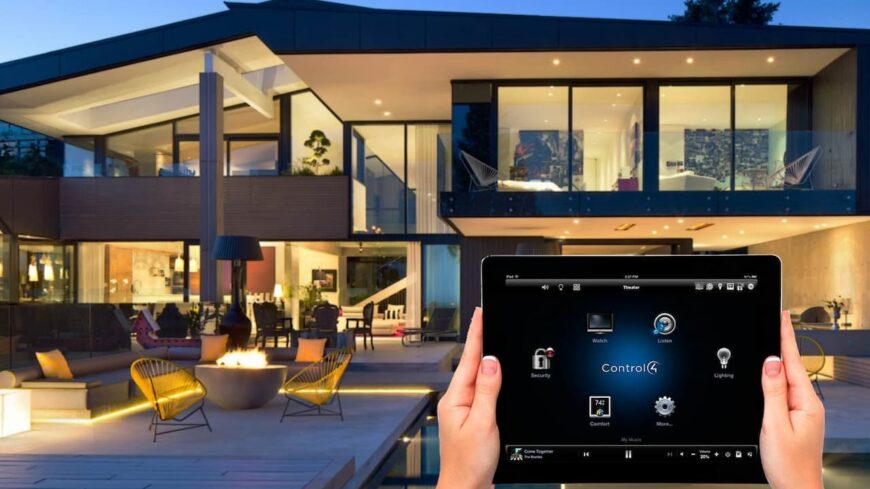
Systems like Samsung SmartThings, Apple HomeKit, or Google Home connect multiple devices into single controllable ecosystems. Monitor water, climate, security, and power from one app instead of juggling separate applications.
Automation rules create powerful monitoring scenarios. For example, if water leak is detected, the system can automatically shut off water, send alerts to multiple contacts, and turn on lights to signal the problem.
Cellular Backup:
Critical monitoring systems should include cellular backup ensuring alerts reach you even when WiFi fails. Power outages, storm damage to internet infrastructure, or router failures won’t interrupt monitoring.
Budget additional monthly fees ($10-$30) for cellular backup service, but the reliability justifies the cost for vacation properties.
Installation and Setup Considerations
Proper installation ensures reliable monitoring performance.
WiFi Network Requirements:
Strong reliable WiFi throughout your property is essential. Security and access control devices accounted for 29% of smart home market share in 2024, making robust networking critical.
Install WiFi extenders or mesh network systems to eliminate dead zones. All monitoring devices need consistent connectivity.
Consider dedicated network for smart home devices separate from guest WiFi. This improves security and prevents visitors from accessing control systems.
Battery Backup:
Even hardwired devices should include battery backup for continued operation during power outages. Battery-powered sensors need regular replacement schedules.
Set calendar reminders for battery replacements. Most sensors alert when batteries run low, but proactive replacement prevents monitoring gaps.
Professional Installation:
While many smart devices claim easy DIY installation, professional setup ensures proper configuration, testing, and integration. Our custom home building services include complete smart home system design and installation.
Professionals verify all devices communicate properly, alerts reach intended recipients, and automation rules function correctly. This attention prevents false alarms or missed alerts that undermine system reliability.
Monthly Monitoring Costs
Smart home monitoring includes various subscription fees that add up over time.
Typical Monthly Expenses:
Cloud storage for security cameras: $3-$10 per camera Professional monitoring services: $15-$60 per month Smart leak detection monitoring: $5-$15 per month Cellular backup for critical devices: $10-$30 per month
Total monthly costs range $35-$150 depending on which services you subscribe to. Balance costs against potential losses from undetected problems.
Many homeowners find that monitoring pays for itself through insurance discounts, energy savings, and prevented damage. Installing smart devices can increase property resale value by 5% according to real estate studies.
Conclusion
Smart home technology transforms beach house ownership from constant anxiety into confident control. Water leak detection prevents catastrophic flooding. Climate monitoring protects against HVAC failures and mold growth. Security systems deter break-ins while documenting all property access. Power monitoring alerts you to outages before spoiled food and damaged appliances result.
The technology investment of $1,500-$3,000 for comprehensive monitoring seems expensive until you consider the $12,514 average water damage claim or the $25,000+ losses from extended undetected problems. Beach houses face unique risks that make monitoring essential rather than optional.
Start with the basics like water leak detection, smart thermostat, and basic security cameras. Expand to comprehensive systems as budget allows. The peace of mind knowing your beach house is protected 24/7 lets you enjoy time on the mainland without constant worry.
Ready to integrate smart home monitoring into your beach house? Contact Royal Coastal Builders today. Our 50+ years building on Galveston Island include extensive experience designing and installing smart home systems for coastal properties. We’ll help you select appropriate technology, ensure proper installation, and configure monitoring that actually works when you need it most.
Frequently Asked Questions
Do smart home systems work during power outages?
Battery-powered devices continue working during outages. Critical systems should include cellular backup for alerts since WiFi typically fails when power goes out. Smart water shutoff valves with battery backup continue protecting your home.
How much does comprehensive smart home monitoring cost?
Initial equipment costs $1,500-$3,000 for water detection, climate control, basic security, and power monitoring. Monthly subscription fees range $35-$150 depending on cloud storage, professional monitoring, and cellular backup services.
Can I install smart home systems myself?
Many devices claim DIY installation, but professional setup ensures proper configuration, testing, and integration. Improper installation leads to false alarms, missed alerts, and gaps in monitoring that defeat the purpose.
What internet speed do I need for smart home devices?
Minimum 25 Mbps download speed handles typical smart home needs. Higher speeds (50+ Mbps) work better with multiple cameras streaming simultaneously. Reliable connection matters more than raw speed.
Will smart home monitoring reduce my insurance premiums?
Many insurers offer 5-15% discounts for smart leak detection, security systems, and monitored fire alarms. Check with your insurance agent about specific discounts available for smart home upgrades.
What happens if my WiFi router fails?
Critical systems should include cellular backup ensuring alerts reach you even when WiFi fails. Local alarms continue sounding. Some systems store limited data locally until connectivity restores.
About Royal Coastal Builders
Royal Coastal Builders designs and builds custom homes on Galveston Island and across the Texas Gulf Coast. With over 50 years of combined experience, we integrate smart home technology into coastal properties for comprehensive remote monitoring. We also offer kitchen remodeling, bathroom remodeling, HVAC, plumbing, electrical services, and comprehensive construction solutions.
Monitor your beach house with confidence: Contact us today