Elevated Living: Creative Uses for the “Ground Level” Space Under Your Stilted Home
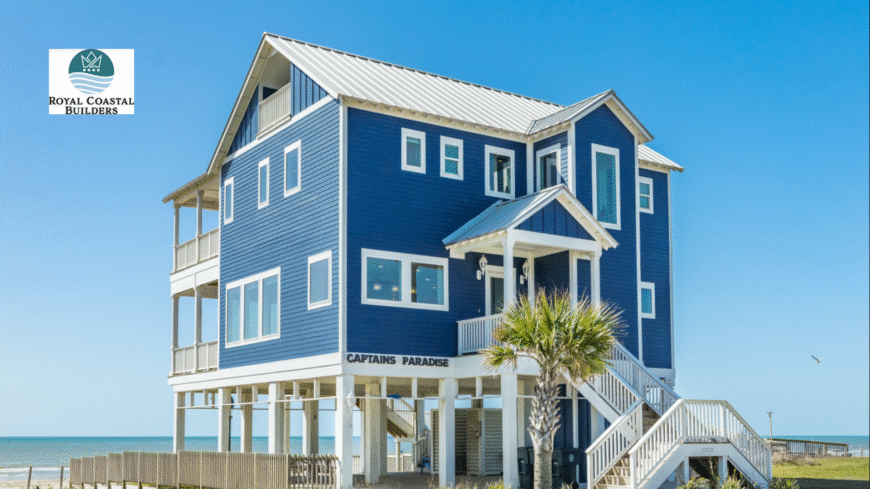
That open area beneath your elevated coastal home represents valuable square footage waiting to be used wisely. Homes elevated 10-15 feet create 1,000-1,500 square feet of covered ground level space for typical beach house footprints. Understanding how to maximize this stilted home ground level space while respecting flood regulations transforms unused area into functional, attractive living space.
At Royal Coastal Builders, our 50+ years building elevated homes on Galveston Island have taught us creative ways to use ground level space effectively and legally. This guide explores practical options that comply with building codes while enhancing your coastal lifestyle.
Understanding Breakaway Wall Requirements
Before planning ground level uses, you must understand FEMA regulations governing enclosed spaces below Base Flood Elevation (BFE).
What Building Codes Allow:
FEMA National Flood Insurance Program regulations permit ground level spaces only for parking, building access, and storage. These areas cannot be finished for habitable or recreational purposes. No living spaces, bedrooms, kitchens, or bathrooms are allowed below BFE.
Mechanical equipment like HVAC units, water heaters, and electrical panels must be elevated above BFE. Only minimal electrical for lighting and outlets is permitted in ground level areas.
Breakaway Wall Specifications:
In V zones (high velocity wave zones), any enclosing walls must be breakaway walls engineered to collapse under wave pressure without damaging the main structure above. Breakaway walls must fail at 20 pounds per square foot or less according to FEMA Technical Bulletin 9.
These walls can be solid materials designed to break away, open wood lattice, or insect screening. Whatever material you choose, it must meet engineering specifications and receive certification from registered design professionals.
Our custom home building services include proper breakaway wall design and certification to ensure full compliance with flood regulations.
Covered Parking Solutions
The most common and practical use for ground level space is vehicle parking protected from sun, rain, and salt air.
Standard Parking Configurations:
Most elevated homes accommodate 2-4 vehicles depending on footprint size. Typical parking dimensions require 9×18 feet per vehicle plus circulation space. A 30×40 foot ground level provides comfortable parking for three vehicles.
Concrete slabs with proper drainage create durable parking surfaces. Slight slopes direct water away from the home and toward drainage systems. Sealed concrete resists salt damage and simplifies cleaning.
Enhanced Parking Features:
Install outdoor-rated electrical outlets for vehicle charging or power washing. LED motion-sensor lighting provides security and convenience. Hose bibs allow easy vehicle and equipment rinsing to remove salt.
Consider designated areas for boat trailers, jet skis, or other recreational vehicles. Beach communities often prohibit street parking for these items, making covered storage valuable.
Storage and Organization Systems
Ground level areas excel as storage for beach equipment, outdoor furniture, and seasonal items that don’t fit inside elevated living spaces.
Smart Storage Solutions:
Marine-grade storage cabinets resist moisture and salt air. Stainless steel or powder-coated aluminum units last decades. Avoid wood cabinets that rot quickly in humid coastal environments.
Wall-mounted systems maximize floor space for parking while organizing beach chairs, umbrellas, fishing equipment, and water sports gear. Heavy-duty hooks and racks keep items off the ground where flooding could damage them.
Weatherproof storage sheds within the enclosed area provide additional protection for valuable tools and equipment. These sheds must not attach to breakaway walls or interfere with their designed failure.
Seasonal Equipment:
Designate areas for hurricane shutters when not in use. Proper storage protects these expensive items while keeping them accessible when storms threaten. Store generators, plywood, and storm prep supplies in labeled containers for quick deployment.
Our emergency services include storm preparation consultation helping homeowners organize and maintain essential equipment.
Outdoor Living and Entertainment Areas
While you can’t create habitable space below BFE, outdoor living areas within building code parameters enhance coastal lifestyle tremendously.
Open Air Entertaining:
Install ceiling fans to improve air circulation in covered areas. Outdoor-rated fans handle humidity and salt exposure better than indoor models. Combine fans with open lattice walls to create comfortable cross-ventilation.
Permanent outdoor kitchens must comply with regulations. Grills, refrigerators, and prep stations can be installed if they don’t require habitable enclosures. Keep cooking areas open to natural ventilation and ensure all components are designed for outdoor exposure.
Furniture and Seating:
Weather-resistant furniture transforms parking areas into dual-use spaces. Movable pieces allow quick conversion from entertainment to parking as needed. Choose all-weather wicker, powder-coated aluminum, or marine-grade plastic that handles salt air.
Outdoor rugs define seating areas and add comfort. Select rugs designed to drain water and resist mold growth. Avoid natural fiber rugs that deteriorate quickly in coastal humidity.
Workspace and Hobby Areas
Ground level spaces work well for messy hobbies or projects you don’t want inside your main living areas.
Workshop Setups:
Basic workbenches for boat maintenance, fishing equipment repair, or woodworking fit perfectly under elevated homes. Use corrosion-resistant fasteners and marine-grade materials for any permanent installations.
Good lighting is essential for workshop areas. Install multiple LED fixtures providing bright, even illumination. Waterproof electrical boxes and GFCI protection ensure safety in damp environments.
Rinse Stations:
Outdoor showers for post-beach rinse-off are incredibly practical. Simple shower heads connected to existing plumbing allow family and guests to remove sand and salt before entering main living areas.
Include benches or hooks for towels and clothing. Proper drainage prevents standing water that attracts mosquitoes.
Landscaping and Garden Integration
The shaded area beneath elevated homes creates unique growing conditions for specific plants while providing attractive transitions from ground to elevated living spaces.
Shade-Tolerant Plantings:
Many coastal plants thrive in filtered light beneath homes. Ferns, hostas adapted to salt tolerance, and shade-loving groundcovers create attractive understory plantings.
Container gardens on wheeled platforms allow mobility during storms. Move valuable plants to protected areas when hurricanes threaten, then return them when weather clears.
Drainage and Water Features:
Incorporate decorative drainage solutions that handle roof runoff attractively. Rain chains, decorative catch basins, or small water features turn necessary drainage into landscape assets.
Ensure all landscaping maintains proper drainage away from foundation pilings. Standing water accelerates corrosion and creates pest breeding grounds.
Pet-Friendly Features
Ground level areas adapt wonderfully for pet needs without compromising main living spaces.
Dog Run Areas:
Enclosed dog runs using open lattice walls provide secure areas for pets. Proper ventilation and shade make these spaces comfortable even in summer heat. Concrete or gravel surfaces simplify cleaning.
Install outdoor water stations and shade structures. Pets need access to fresh water and protection from sun when using ground level areas.
Storage for Pet Supplies:
Dedicated storage for leashes, toys, outdoor pet beds, and grooming supplies keeps main living areas organized. Weatherproof containers protect items from humidity while providing easy access.
Lighting and Safety Considerations
Proper lighting enhances functionality while improving security for elevated homes.
Layered Lighting Approach:
General overhead lighting provides overall illumination. LED fixtures withstand coastal conditions while minimizing energy costs. Motion sensors reduce energy waste while enhancing security by activating when someone approaches.
Task lighting at work areas, storage zones, and entry stairs ensures safe navigation. Focus bright light where needed without over-illuminating entire ground level.
Accent lighting highlights architectural features and landscaping. Uplighting illuminates the elevated structure beautifully while providing ambient light below.
Stairway Safety:
Stairs connecting ground level to elevated living spaces require excellent lighting. Install fixtures at top and bottom with three-way switching for convenience. Handrail lighting or step lights prevent trips and falls.
Non-slip stair treads are essential in environments where salt spray creates slippery conditions. Regular maintenance keeps stairs safe year-round.
Utility and Mechanical Considerations
While major mechanical equipment must be elevated above BFE, some utilities serve ground level areas effectively.
Electrical Systems:
Outdoor-rated outlets serve parking area lighting, power tools, vehicle charging, and entertainment equipment. All outlets below BFE must include GFCI protection and weather-resistant covers.
Our electrical services ensure proper installation meeting all coastal building codes and safety requirements.
Plumbing Connections:
Hose bibs for equipment rinsing and outdoor showers can be installed below BFE. Include shut-off valves elevated above BFE to prevent freeze damage and allow emergency shutdown.
Drainage for outdoor showers and equipment washing must direct water away from foundations and toward proper drainage systems.
Maintenance Requirements
Ground level spaces need regular attention to maintain functionality and prevent deterioration.
Routine Tasks:
Rinse concrete surfaces and pilings regularly to remove salt accumulation. Fresh water prevents corrosion and extends material life significantly.
Clear debris from drainage systems. Leaves, sand, and other materials clog drains and create standing water problems.
Inspect breakaway walls for damage or deterioration. These critical safety features must function properly when needed. Replace damaged sections promptly.
Check electrical outlets, fixtures, and connections for corrosion. Coastal environments accelerate deterioration of electrical components requiring more frequent replacement than inland locations.
Conclusion
The ground level space under your elevated coastal home offers tremendous potential when used creatively within building code restrictions. From practical parking and storage to comfortable outdoor living areas, this valuable square footage enhances your coastal lifestyle significantly.
The key is understanding FEMA regulations governing enclosed spaces below BFE and working within those parameters. Proper breakaway wall design, appropriate material selection, and smart planning create functional spaces that comply with flood requirements while serving your needs.
Don’t view ground level space as wasted area. With thoughtful design and proper implementation, it becomes one of your home’s most useful features, providing weather protection, storage, and outdoor living opportunities that mainland homes can’t match.
Ready to design your elevated home with well-planned ground level space? Contact Royal Coastal Builders today. Our 50+ years building on Galveston Island give us extensive experience maximizing stilted home ground level space while ensuring full compliance with flood regulations. We’ll help you create functional, attractive areas that enhance your coastal living experience.
Frequently Asked Questions
Can I enclose ground level space to create extra rooms?
No. FEMA regulations prohibit habitable spaces below BFE. Enclosures can only be used for parking, storage, and building access. Violations can result in insurance denial and code violations.
What type of flooring works best for ground level areas?
Concrete slabs with proper drainage perform best. They resist flooding, simplify maintenance, and provide durable parking surfaces. Slight slopes direct water away from pilings.
Can I install a bathroom or outdoor shower below my elevated home?
Simple outdoor rinse showers are allowed, but full bathrooms are prohibited below BFE. Any plumbing must have shut-offs above BFE and meet flood-resistant construction requirements.
Do I need special permits to finish ground level space?
Yes. Any enclosure below BFE requires permits and must meet breakaway wall requirements. Installing utilities, concrete work, or structural changes all need proper permitting.
How do breakaway walls actually work during storms?
Breakaway walls are designed to collapse under wave pressure (typically 20 PSF or less) without damaging the elevated structure above. They fail intentionally, allowing water to flow through.
Can ground level space be air conditioned?
No. Creating climate-controlled space below BFE violates regulations prohibiting habitable areas. Ceiling fans and natural ventilation are appropriate for cooling outdoor areas.
About Royal Coastal Builders
Royal Coastal Builders designs and builds custom elevated homes on Galveston Island and across the Texas Gulf Coast. With over 50 years of combined experience, we create homes with well-designed ground level spaces that maximize functionality while meeting all flood regulations. We also offer kitchen remodeling, bathroom remodeling, and comprehensive construction services.
Maximize your elevated home’s potential: Contact us today