Building for the Big One: 2026 Hurricane-Resistant Standards for Galveston Custom Homes
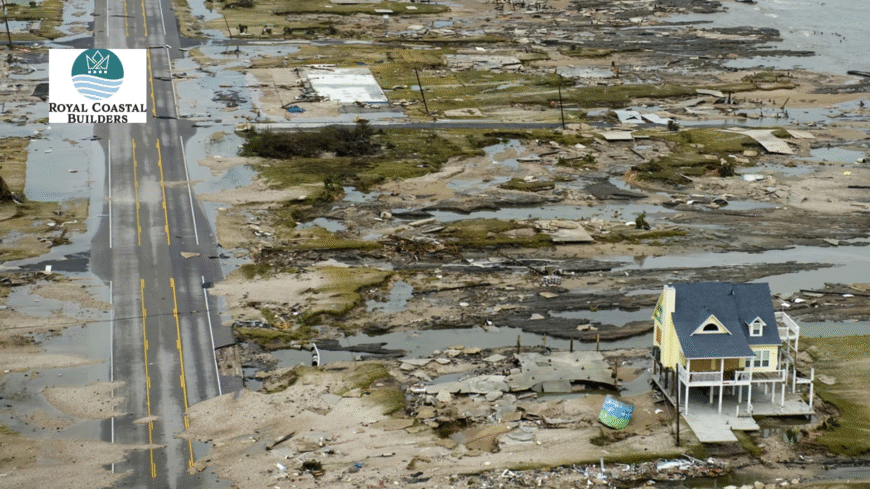
The stakes for coastal construction have never been higher. Research shows homes built to modern codes experienced 85% less damage during Hurricane Ian compared to older structures, according to FEMA studies. With climate patterns showing increasingly intense storms, understanding the latest hurricane-resistant standards Galveston builders must meet could save your home and your investment.
Galveston sits directly in hurricane alley. Since the devastating 1900 storm that killed 6,000 people, building codes have evolved dramatically. The 2026 standards represent the most comprehensive hurricane protection requirements ever implemented. At Royal Coastal Builders, our 50+ years on Galveston Island have prepared us for these enhanced requirements that separate storm-ready homes from vulnerable structures.
Understanding 2026 Wind Resistance Requirements
Wind resistance forms the foundation of hurricane protection. Galveston falls within the 150 mph wind zone, meaning structures must withstand sustained hurricane-force winds with gusts exceeding 180 mph.
Enhanced Structural Connections:
The 2026 standards mandate continuous load path engineering throughout every home. Every component from roof to foundation must connect properly to transfer wind forces safely. Hurricane straps, metal connectors, and engineered fastening schedules ensure your home stays together when winds try to tear it apart.
Standard “toe-nailing” construction fails catastrophically in hurricanes. Modern requirements specify hurricane clips at every rafter-to-wall connection, preventing roof uplift that causes most storm damage. Proper roof attachment can reduce damage by up to 60% during major hurricanes.
Roof System Requirements:
Hip roofs outperform gable designs in high winds due to better aerodynamics. The four-sided design reduces uplift forces significantly. When gable roofs are necessary, enhanced bracing requirements prevent failure of these vulnerable end walls.
Secondary water resistance below roofing material provides critical backup protection. Even when shingles blow off, the secondary barrier prevents water intrusion and interior damage. This feature alone has saved thousands of homes from total loss.
Opening Protection Standards:
Impact-resistant windows and doors maintain building envelope integrity during storms. Large missile impact-rated products must withstand 2×4 lumber traveling at 50 mph without breach. This prevents wind from entering and pressurizing the home.
The 2026 standards expand impact protection requirements to more areas of Galveston. Properties previously exempt now require full impact protection. This reflects updated storm surge models showing wider vulnerability zones than previously mapped.
Elevation and Foundation Updates
Foundation requirements have increased based on updated flood mapping and storm surge projections.
New Base Flood Elevation Standards:
FEMA flood maps updated in 2024 show higher flood risk across much of Galveston Island. Many properties now require 1-2 feet of additional elevation compared to previous requirements. This affects construction costs but dramatically reduces flood insurance premiums.
Building just 2 feet above minimum Base Flood Elevation saves homeowners approximately $30,000 over a 30-year mortgage through reduced insurance costs. The 2026 standards encourage this extra elevation through expedited permitting for homes exceeding minimums.
Pile Foundation Enhancements:
Pile depth requirements increased in areas with documented erosion. Some locations now require pilings driven 25-30 feet instead of the previous 20 feet minimum. This provides better stability as erosion continues reshaping the coastline.
Pile connections to the structure received enhanced requirements. Stronger hurricane straps and anchors transfer loads more effectively, preventing structures from lifting off foundations during extreme winds.
Breakaway Wall Specifications:
Enclosed spaces below elevated homes need properly designed breakaway walls. These walls must collapse under wave pressure without damaging the main structure. The 2026 standards include specific engineering calculations for breakaway wall design based on expected wave heights and velocities.
Improperly designed breakaway walls can push entire homes off foundations. The enhanced requirements ensure these critical components function as intended during storm surge events.
Advanced Materials and Construction Methods
Material specifications continue evolving based on storm performance data and corrosion research.
Corrosion-Resistant Requirements:
Salt air destroys standard building materials rapidly. The 2026 standards mandate stainless steel fasteners throughout exterior applications. Previous requirements allowed galvanized fasteners in some locations, but field performance showed these corrode too quickly.
Marine-grade electrical components are now required in all coastal applications. Standard outlets and fixtures corrode within years in Galveston’s environment. The upgraded components last decades while maintaining safety.
Exterior Material Standards:
Fiber cement siding receives preferred status under 2026 standards due to proven durability. While other materials remain acceptable, fiber cement qualifies for expedited permitting and insurance discounts due to its 50+ year lifespan in coastal environments.
Roof covering requirements now include enhanced attachment specifications. Metal roofing systems must use specialized fasteners rated for high-wind conditions. Shingle installations require higher fastener density than mainland applications.
Window and Door Performance:
Impact resistance requirements expanded to include not just large missile impact but also small missile testing. Windows and doors must withstand both 2×4 lumber impacts and small gravel traveling at high speeds.
Corrosion-resistant hardware is mandatory for all exterior doors and windows. Stainless steel hinges, locks, and operators prevent premature failure in salt air environments.
Garage Door and Opening Standards
Garage doors represent the most common failure point during hurricanes. The 2026 standards include significant enhancements.
Wind-Rated Garage Doors:
All garage doors in coastal areas must now achieve minimum wind ratings of 150 mph. Previous standards allowed lower ratings in some locations. Standard garage doors fail in sustained winds above 90 mph, making reinforced doors essential.
Wind-rated doors cost $3,000-$6,000 but prevent cascading failures. When garage doors collapse, wind enters the home and increases pressure on walls and roofs. This single upgrade prevents disproportionate damage.
Installation Requirements:
Proper installation matters as much as door quality. The 2026 standards require certified installers for all wind-rated garage doors. Improper installation voids wind ratings and insurance coverage.
Track systems, spring assemblies, and opening mechanisms all receive enhanced specifications. These components must maintain functionality during and after storm events for emergency vehicle access.
Energy Efficiency Integration
The 2026 standards integrate energy efficiency with storm protection, recognizing these goals complement each other.
Insulation and Air Sealing:
Spray foam insulation serves dual purposes in coastal homes. It provides excellent thermal performance while adding structural reinforcement to walls and roofs. The 2026 standards encourage spray foam through expedited permitting.
Tight building envelopes reduce energy consumption while helping maintain interior pressure during storms. Proper air sealing prevents wind-driven rain infiltration at connections and penetrations.
HVAC and Dehumidification:
High-efficiency HVAC systems (16+ SEER) pair well with tight building envelopes. The 2026 standards include provisions for whole-house dehumidification systems that control moisture in sealed coastal homes.
Equipment anchoring requirements ensure HVAC units stay in place during high winds. Loose equipment becomes dangerous projectiles that damage other properties.
Smart Technology and Monitoring Systems
Modern homes incorporate technology that enhances storm preparedness and response.
Remote Monitoring Requirements:
New construction permits now require installation of basic monitoring infrastructure. This includes water leak detection points and power monitoring capability. While homeowners aren’t required to activate monitoring, the infrastructure must be present.
Remote access to door locks, lighting, and environmental controls helps homeowners secure properties before storms and assess conditions afterward without making dangerous trips.
Backup Power Provisions:
The 2026 standards require all new homes to include electrical infrastructure supporting future generator or battery backup installation. This includes transfer switch capacity and proper grounding even if backup power isn’t installed initially.
Solar panel installations must include wind-rated mounting systems. Previous installations often suffered complete failure during hurricanes. Enhanced mounting requirements ensure solar systems survive or fail safely without damaging roofs.
Insurance and Documentation Requirements
Building to 2026 standards affects insurance availability and costs significantly.
Wind Mitigation Documentation:
Complete documentation of storm-resistant features is now mandatory for certificate of occupancy. This includes photos of structural connections, impact window labels, and foundation details before these items are covered.
Proper documentation generates wind mitigation credits that reduce insurance premiums by 20-45%. Without complete records, homeowners forfeit these savings even when features are present.
FORTIFIED Home Certification:
The FORTIFIED Home standards developed by the Insurance Institute for Business & Home Safety exceed code minimums. While not required, achieving FORTIFIED certification provides additional insurance discounts and resale value.
FORTIFIED construction adds approximately $2 per square foot but significantly reduces storm damage. Many custom home builders now build to FORTIFIED standards as default practice.
Flood Insurance Optimization:
Documentation proving elevation above Base Flood Elevation directly affects flood insurance rates. Professional elevation certificates from licensed surveyors are required for all new construction.
Building 3 feet above minimum BFE can reduce flood insurance costs by 50% or more compared to homes at minimum elevation. The 2026 standards encourage this practice through streamlined permitting.
Permitting and Inspection Changes
The enhanced 2026 standards require more thorough permitting and inspection processes.
Plan Review Requirements:
Structural plans must now show all load paths and connections in detail. Vague specifications no longer pass review. Licensed structural engineers must stamp all plans for homes in high-risk areas.
Wind load calculations require specific engineering analysis based on exact building geometry and location. Generic calculations don’t meet new requirements. This ensures every home receives appropriate design for its specific conditions.
Enhanced Inspection Protocols:
Foundation inspections now occur at multiple stages instead of single inspection. Inspectors verify pile depth, proper anchoring, and connection details before allowing construction to proceed.
Framing inspections focus heavily on structural connections. Inspectors verify hurricane straps at every connection point. Missing or improperly installed connectors require correction before proceeding.
Final inspections include comprehensive documentation review. Builders must provide complete records of all storm-resistant features with photos and certifications.
Working with Experienced Galveston Builders
The complexity of 2026 standards makes working with experienced coastal builders essential.
What Qualified Builders Provide:
Expert builders maintain current knowledge of evolving requirements. They attend training sessions, review updated guidelines, and implement new standards immediately. Their experience prevents costly mistakes and construction delays.
Established relationships with local building departments smooth the permitting process. Inspectors know quality builders and expedite reviews when plans meet standards consistently.
Royal Coastal Builders Expertise:
Our custom home construction services incorporate all 2026 standards as baseline practice. We’ve built hundreds of homes on Galveston Island that weathered multiple hurricanes with minimal damage.
We also provide kitchen remodeling, bathroom renovations to bring existing homes up to current standards, roofing replacements with enhanced attachment methods, plumbing services, electrical upgrades, HVAC installation, and emergency storm services when disasters strike.
Avoiding Unqualified Contractors:
Builders without coastal experience struggle with 2026 requirements. They underestimate costs, propose inadequate solutions, or fail inspections repeatedly. This causes delays and budget overruns.
Verify coastal experience through completed project addresses, references from recent clients, and relationships with local building departments. Mainland builders claiming coastal expertise often lack the specific knowledge Galveston construction demands.
Cost Implications of 2026 Standards
Enhanced requirements increase construction costs but provide tremendous value through damage prevention and lower insurance.
Construction Cost Increases:
Building to 2026 standards costs approximately 5-8% more than 2021 requirements. For a $750,000 home, expect $37,500-$60,000 in additional costs for enhanced structural connections, impact protection, and upgraded materials.
These costs are offset by insurance savings within 5-7 years in most cases. Lower premiums, reduced deductibles, and better coverage availability justify the upfront investment.
Long-Term Value:
Homes built to current standards suffer dramatically less damage during hurricanes. Post-storm studies show properly built homes sustain 85% less damage than older construction. This protection preserves property values and reduces repair costs.
Resale values reflect hurricane resistance. Buyers increasingly demand documentation of storm-resistant features. Homes with proper certifications command premium prices and sell faster.
Preparing for Future Requirements
Building codes continue evolving as climate patterns change and storm intensity increases.
Future-Proofing Strategies:
Consider exceeding 2026 minimums in critical areas. Design for wind speeds 10-20 mph above requirements. Elevate 2-3 feet above minimum BFE. Use materials rated for more extreme conditions than currently required.
Design flexibility allows easier upgrades as requirements change. Roof structures strong enough for future solar panels. Electrical systems sized for electric vehicle charging. Foundations that could support additions.
Climate Adaptation:
Rising sea levels and intensifying storms require forward-thinking construction. The 2026 standards incorporate climate projections, but conservative estimates suggest even tougher requirements within 10 years.
Building for future conditions now prevents costly retrofits later. Expert builders help clients balance current costs against long-term protection needs.
Conclusion
The 2026 hurricane-resistant standards represent the most comprehensive storm protection requirements ever implemented in Galveston. These enhanced specifications for wind resistance, elevation, materials, and construction methods create homes that can withstand Category 5 hurricanes.
While construction costs increase 5-8% compared to previous standards, the investment provides substantial returns through reduced insurance premiums, lower storm damage, and higher property values. More importantly, proper construction protects lives and provides peace of mind during hurricane season.
Working with experienced coastal builders ensures compliance with all requirements while optimizing design for your specific needs and budget. Don’t trust your investment to contractors learning coastal construction on your project.
Ready to build a home that stands strong against Gulf Coast storms? Contact Royal Coastal Builders today for a free consultation. Our 50+ years on Galveston Island mean we know exactly how to implement the latest hurricane-resistant standards Galveston demands. From initial design through final inspection, we handle every detail of your storm-ready custom home.
Frequently Asked Questions
Do existing homes need to meet 2026 standards?
No, but significant renovations (over 50% of home value) trigger requirements to bring portions up to current code. Many homeowners voluntarily upgrade for insurance benefits.
How much do 2026 standards increase construction costs?
Expect 5-8% higher costs compared to previous requirements, primarily from enhanced structural connections, upgraded materials, and additional engineering. A $750,000 home might cost $37,500-$60,000 more.
Will insurance costs decrease with 2026 construction?
Yes. Properly documented storm-resistant features reduce wind insurance premiums by 20-45%. Combined with optimized flood elevation, total insurance savings often exceed $3,000-$5,000 annually.
How long does permitting take under new standards?
Plan review typically takes 6-8 weeks for complete submittals meeting all requirements. Incomplete plans or inexperienced builders face longer reviews and multiple revision cycles.
Can I build above minimum standards?
Absolutely. Exceeding minimums provides better protection and may qualify for additional insurance discounts. Many homeowners choose FORTIFIED certification for maximum storm resistance.
What happens if my builder doesn’t meet 2026 standards?
Failed inspections delay construction and increase costs. Serious deficiencies may require demolition and rebuilding. Always verify your builder’s coastal experience before signing contracts.
About Royal Coastal Builders
Royal Coastal Builders designs and builds custom homes on Galveston Island and across the Texas Gulf Coast. With over 50 years of combined experience, we create durable, storm-resistant homes tailored to coastal conditions. We also offer kitchen remodeling, bathroom remodeling, roofing, plumbing, electrical, HVAC, commercial construction, and emergency services.
Build with confidence: Contact Royal Coastal Builders